Start with what is happening, before choosing the format
“We need to motivate the team” can mean several things: rediscovering meaning at work, clarifying priorities, learning to collaborate or reviewing how people are led. Without distinguishing those needs, it is easy to choose an appealing activity that leaves the problem untouched.
Describe a specific situation: what is happening, who is affected, and what behavior or decision would you like to see change? That conversation helps define a more useful objective than simply booking an activity.
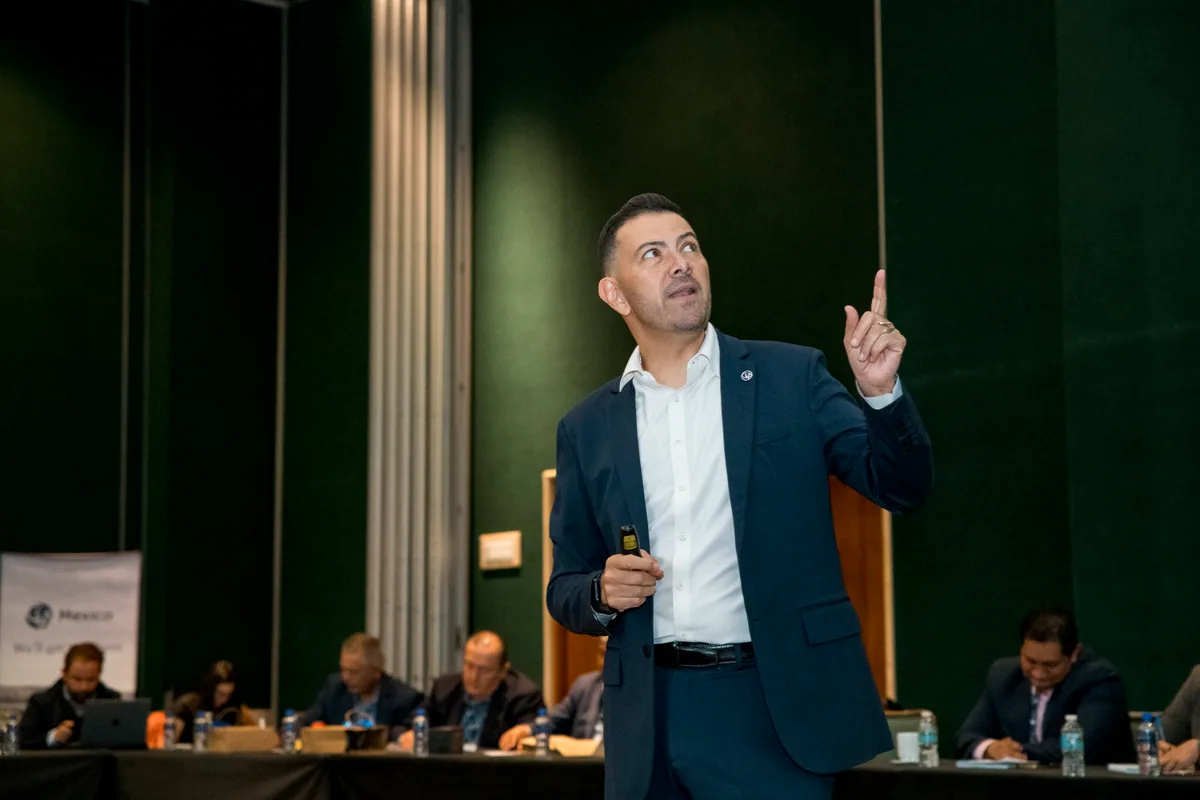
A conference can open a new perspective
A conference brings people together around a message. It can help them recognize a shared challenge, question a familiar idea or open a conversation about leadership, purpose and collaboration.
It makes sense when you want an experience that moves people, inspires awareness and invites action. To make the most of it, consider a question the audience can take back to work, and who will continue the conversation afterward. A memorable experience can start a process; sustained practice is still needed.
Training helps develop a skill
If the change requires learning how to do something, a course or workshop may be a better fit. For example, practicing a difficult conversation, establishing agreements or developing criteria for leading a team.
The objective should connect with participants' real situations. It also helps to plan where they can apply what they learn and what support they will find when they return to work. If the environment contradicts what is taught, more training alone will not resolve the difficulty.
Consulting helps reveal connections
When a challenge spans responsibilities, processes, relationships and culture, we need to understand the system. Consulting helps examine those connections and design an intervention with an agreed scope.
A diagnosis is more than a formality before a course. It is an opportunity to distinguish what people need to learn from what the organization needs to change so that learning can take root.
Mentoring supports the person who needs to decide
In senior leadership, some challenges call for individual reflection and development. Mentoring connects management and leadership tools with the real decisions facing a business owner or executive.
It may be appropriate when you want to broaden your judgment, examine your leadership style or understand how your decisions affect the organization. Support helps you think; responsibility for deciding remains yours.
Three questions to start a good conversation
What specific change are we seeking? Who needs to be involved for it to happen? What would need to happen after the intervention to sustain it?
The answers help you choose a format and recognize when it is useful to combine different ways of working. The aim is to build a response proportionate to the challenge.